Welcome
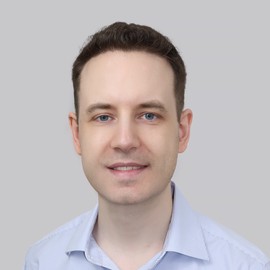
I am an Assistant Professor of Economics at the National University of Singapore. My research focuses on the political economy of autocracies and fragile democracies, with a particular emphasis on understanding the causes and consequences of political stability and instability in developing economies. I teach research methods in applied microeconomics.
Email: jorismueller@nus.edu.sg
Interests
- Political Economy
- Development Economics
- Economic History
Education
PhD in Economics, 2022
Northwestern University
MSc Economics, 2016
London School of Economics and Political Science
BA Economics, 2014
University of Zurich